
Backyard vegetable gardening has become an increasingly popular way to enjoy fresh, homegrown produce while connecting with nature. Whether working with a spacious yard or a modest garden area, growing vegetables at home offers both practical and personal rewards. It allows individuals to control what goes into their food, reduce grocery expenses, and experience the satisfaction of harvesting crops they cultivated themselves.
Starting a vegetable garden may seem overwhelming at first, especially for beginners unfamiliar with soil preparation, plant selection, and seasonal planning. However, with proper guidance and consistent care, backyard gardening can become a manageable and enjoyable routine. From selecting the right location to maintaining soil health and protecting plants from pests, each step contributes to a successful harvest.
Understanding the fundamentals of backyard vegetable gardening empowers homeowners to create sustainable food sources while enhancing their outdoor living spaces.
Choosing the Right Location for Your Garden
Selecting an appropriate location is one of the most important steps in vegetable gardening. Most vegetables require at least six to eight hours of direct sunlight daily to grow properly. Observing sunlight patterns in the yard helps determine the ideal planting area.
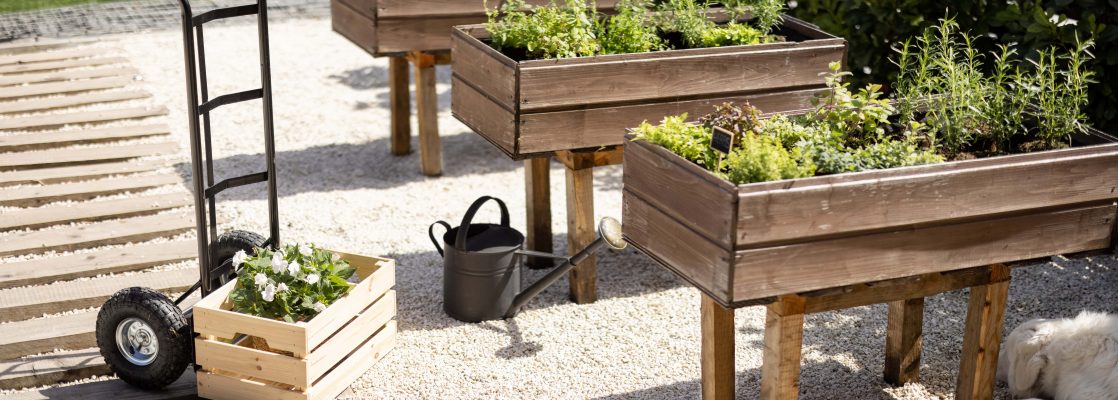
Proper drainage is equally essential. Avoid low spots where water accumulates, as excess moisture can damage roots and promote disease. Raised beds offer improved drainage and easier soil management.
Within practical home and garden sustainable gardening ideas, location planning significantly impacts plant health and productivity. Accessibility should also be considered, ensuring easy watering and maintenance.
Placing the garden near a water source simplifies irrigation and encourages regular attention. Thoughtful positioning lays the foundation for long-term success.
Preparing and Improving Soil Quality
Healthy soil forms the backbone of productive gardening. Testing soil pH helps determine whether amendments are needed. Most vegetables thrive in slightly acidic to neutral soil.
Adding organic matter such as compost improves texture, nutrient content, and moisture retention. Composting kitchen scraps and yard waste creates a cost-effective fertilizer source.
Loosening compacted soil enhances root growth and drainage. Regularly enriching soil with nutrients maintains long-term fertility.
Investing time in soil preparation increases plant resilience and supports higher yields throughout the growing season.
Selecting Suitable Vegetables for Beginners
Choosing beginner-friendly vegetables boosts confidence and improves early success. Crops such as lettuce, tomatoes, carrots, zucchini, and green beans are relatively easy to grow and maintain.
Seasonal planning ensures plants align with climate conditions. Cool-season vegetables like spinach thrive in spring and fall, while warm-season crops such as peppers prefer summer heat.
Within balanced organic backyard farming and planting techniques, selecting varieties suited to local conditions enhances productivity.
Starting with a manageable number of plants prevents overwhelm. Gradually expanding the garden allows skills to develop naturally over time.
Watering and Irrigation Practices
Consistent watering supports healthy plant development. Most vegetables require regular moisture, especially during flowering and fruiting stages.
Early morning watering reduces evaporation and minimizes fungal risks. Drip irrigation systems provide efficient and targeted hydration.
Overwatering can be as harmful as underwatering. Monitoring soil moisture ensures balanced irrigation.
Mulching around plants helps retain moisture and regulate soil temperature. Simple watering strategies significantly improve crop quality and yield.
Managing Pests and Plant Diseases
Garden pests and diseases are common challenges. Identifying early signs—such as leaf discoloration or unusual spots—allows prompt intervention.
Natural pest control methods include introducing beneficial insects, using neem oil sprays, or planting companion crops that deter pests.
Maintaining garden cleanliness and rotating crops reduces disease spread. Healthy plants are more resistant to infestations.
Integrated pest management strategies protect crops without relying heavily on chemical treatments.
Harvesting and Maintaining Your Garden
Harvesting vegetables at the right time ensures optimal flavor and nutrition. Frequent harvesting encourages continued production for certain crops.
Regular pruning and removal of dead leaves maintain plant vitality. Post-harvest soil care prepares the garden for future planting cycles.
Preserving surplus produce through freezing or canning extends the benefits of gardening beyond the growing season.
Consistent maintenance transforms backyard gardening into a sustainable, long-term practice.
Conclusion
Backyard vegetable gardening offers a rewarding opportunity to grow fresh, nutritious produce while enhancing outdoor living spaces. By carefully selecting a suitable location, preparing nutrient-rich soil, choosing beginner-friendly vegetables, and maintaining consistent watering and pest control routines, homeowners can cultivate thriving gardens. Sustainable practices such as composting and crop rotation further strengthen long-term productivity. Although gardening requires patience and dedication, the satisfaction of harvesting homegrown vegetables makes the effort worthwhile. With thoughtful planning and ongoing care, backyard gardening becomes both a practical food source and a fulfilling hobby that promotes healthier lifestyles and environmental awareness.
Recent Comments